
Tổ chức du lịch kết hợp trò chơi Team building là hoạt động không thể thiếu trong các doanh nghiệp nhằm đem lại niềm vui, sự thoải mái và xây dựng sợi dây liên kết các thành viên trong doanh nghiệp với nhau. Hôm nay, chúng ta sẽ cùng nhau khám phá những trò chơi Team building không chỉ thú vị mà còn đầy tính tương tác, giúp mọi người kết nối và hiểu nhau hơn qua từng thử thách.
👉 Có thể bạn quan tâm:
- Tổ chức teambuilding tiết kiệm: Bí quyết tối ưu chi phí
- TOP 30 địa điểm tổ chức teambuilding được ưa chuộng nhất hiện nay
Index
1. Tổ chức trò chơi Team building
1.1. Trò chơi Team building là gì?
Các hoạt động và trò chơi team building được cho là không chỉ mang tính giáo dục mà còn rất thú vị giúp mọi người nhìn nhau dưới một góc nhìn khác cho phép mọi người kết nối với nhau trong một khung cảnh khác. Những hoạt động này giúp chúng ta tìm hiểu được cách mỗi người suy nghĩ, làm việc, giải quyết vấn đề hay chỉ đơn giản là gắn kết nhân viên, đội ngũ chặt chẽ hơn với nhau.

1.2. Ý nghĩa của việc tổ chức trò chơi team building.
Kết nối, giao lưu và hiểu nhau hơn
Trò chơi team building thường được tổ chức kèm theo những chuyến du lịch tại những địa điểm có không gian thoải mái, rộng rãi và yêu cầu sự tương tác phối hợp giữa các thành viên, xây dựng sợi dây liên kết các mối quan hệ mới trong doanh nghiệp. Khi tham gia các trò chơi, mọi người sẽ phải giao tiếp và kết nối cùng nhau giúp phá vỡ những rào cản giao tiếp và tạo điều kiện xóa đi khoảng cách ngại ngần, giúp nhân sự gần gũi và thân thiết hơn.
Teamwork và nâng cao hiệu suất làm việc nhóm
Những trò chơi team building theo nhóm không chỉ giúp gắn kết các nhân viên lại với nhau mà sau khi cùng nhau trải qua các hoạt động xây dựng đội nhóm, nhân viên sẽ hiểu rõ hơn về điểm mạnh, điểm yếu và sở thích của nhau. Sự hiểu biết này giúp họ làm việc cùng nhau tốt hơn, tạo thành đội nhóm hiệu quả, tăng kỹ năng teamwork của mỗi thành viên.
Xây dựng cầu nối giữa các phòng ban
Sự kết nối giữa các nhân viên trong một bộ phận không phải là vấn đề duy nhất quan trọng khi xây dựng một đội ngũ mạnh mẽ hơn. Một chương trình trò chơi team building được tổ chức cho một doanh nghiệp lớp sẽ thúc giục nhân viên làm quen với những người ở các bộ phận khác, thay vì làm việc riêng lẻ với các thành viên trong phòng ban.
Những trò chơi team building sẽ giúp mọi người cảm thấy thoải mái hơn trong giao tiếp và mở ra những mối quan hệ mới. Việc thu hẹp những khoảng cách đó cho phép hình thành các mối quan hệ tích cực và giúp công ty hoạt động hiệu quả hơn.
Khai phá tiềm năng cá nhân
Trong quá trình chơi, các thành viên có cơ hội thể hiện và cải thiện kỹ năng lãnh đạo của mình, như việc đưa ra quyết định, phân công nhiệm vụ dẫn dắt đội chơi để đạt được thành công các mục tiêu. Không chỉ vậy, những trò chơi trí tuệ và thử thách cao đòi hỏi lối chơi phá cách, tư duy linh hoạt và sáng tạo, điều này giúp khuyến khích mọi người suy nghĩ ngoài khuôn khổ và phát triển kỹ năng tư duy độc đáo.
Xây dựng văn hóa doanh nghiệp
Trò chơi team building đóng một vai trò thiết yếu trong việc hình thành và truyền tải văn hóa doanh nghiệp để truyền tải tinh thần, sứ mệnh cho tập thể đồng thời thu hút đội ngũ nhân sự tiềm năng trong tương lai
Tạo điều gì đó để mong chờ.
Cho dù là một tuần một lần hay vài tháng một lần, việc lên kế hoạch cho các trò chơi team building thú vị và sáng tạo sẽ mang lại cho nhân viên điều gì đó đáng mong đợi ngoài những danh sách nhiệm vụ không bao giờ kết thúc. Hãy tạo ra sự hào hứng đối với những sự kiện nghỉ ngơi không liên quan đến công việc cho đội ngũ hay doanh nghiệp của chúng ta.
2. Các ý tưởng tổ chức trò chơi team building gắn kết nhân viên, đội ngũ hiệu quả.
2.1. Trò chơi team building trong nhà.
Keo sơn một nhà
Số lượng người chơi: Tối thiểu 10 người.
Đạo cụ: Đồng hồ bấm giờ
Cách chơi: MC sẽ chia người tham gia thành 2 đội chơi, trong một khoảng thời gian 1-2’ việc của đội chơi cần làm chính là dính lấy nhau chặt nhất có thể bằng cách móc tay, ôm chân,… và đội chơi đối thủ sẽ làm mọi cách để gỡ từng thành viên ra. Thành viên bị tách ra không được phép quay trở lại giúp đỡ đồng đội.
Đội nào trụ được lâu hơn hoặc trong khoảng thời gian bấm giờ gỡ được nhiều thành viên ra hơn là đội chiến thắng.
Trò chơi truy tìm kho báu
Số lượng người chơi: Tối thiểu 8 người
Đạo cụ: các đồ vật liên quan đến từ khóa.
Cách chơi: Các đồ vật cần tìm hoặc sẽ được đặt ngẫu nhiên trong các phòng tại khu vực quy định. Thành viên sẽ được chia thành 2 hoặc nhiều nhóm có nhiệm vụ nhận thông điệp, giải mã từ khóa và tìm kiếm đồ vật. Nhóm nào giải được hết số lượng từ khóa sẽ được dự đoán tìm đến kho báu. Nhóm nào tìm được kho báu sẽ nhận được phần thưởng.
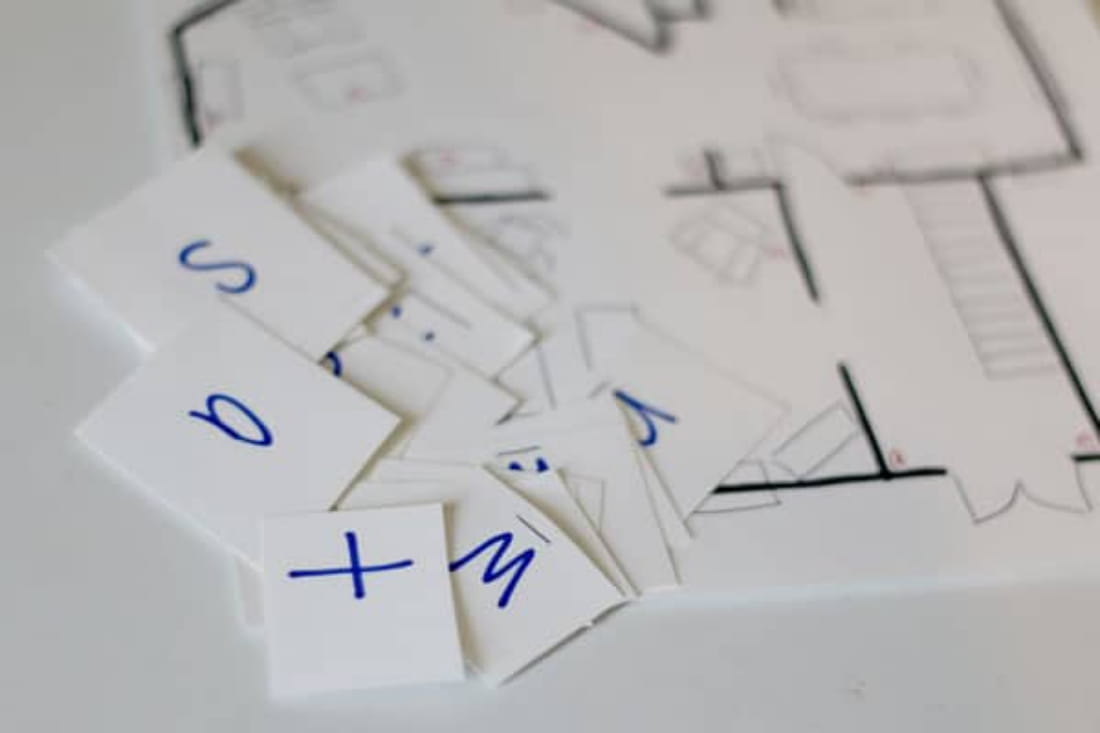
Đoán ý đồng đội
Số lượng người chơi: Từ 4-8 người mỗi đội
Đạo cụ: Tranh hoặc từ khóa, ca dao tục ngữ theo một chủ đề được in trên khổ giấy lớn, tai nghe để phát nhạc hoặc nút bịt tai.
Cách chơi: MC chia người tham gia thành các đội chơi, mỗi đội chọn 1 cặp để lần lượt chơi. Trong cùng lượt chơi, một người sẽ mô tả những gì ban tổ chức in trên giấy cho người còn lại thông qua hành động, đặc biệt là không được nói, người còn lại sẽ đoán nội dung đang được mô tả. Đội nào đoán được nhiều nhất là đội chiến thắng.
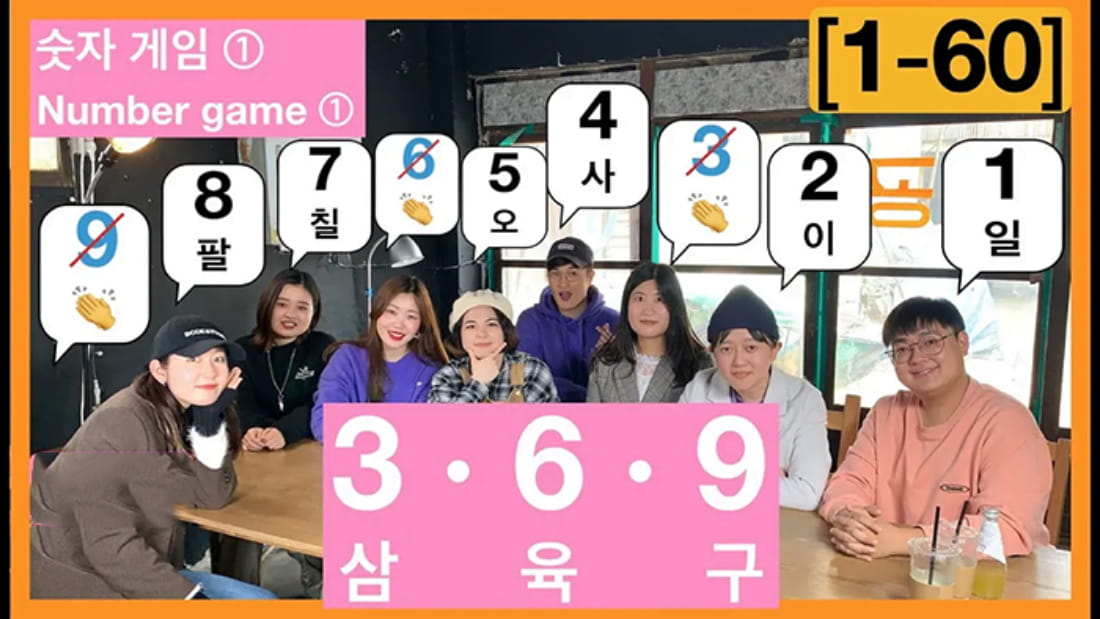
Trò chơi 3-6-9
Số lượng người chơi: Từ 10 người trở lên
Cách chơi: Người tham gia cần đếm số tăng dần từ bất kì một số nào, khi đếm số có chữ số 3/6/9 trong đó thì không được đếm mà phải vỗ tay một lần, người đếm sai số và người vỗ tay không đúng sẽ phải chịu các hình phạt do ban tổ chức đặt ra.
2.2. Trò chơi team building ngoài trời
Kết chùm
Số lượng người chơi: từ 20 người trở lên, càng đông càng vui
Đạo cụ: không cần dụng cụ đặc biệt
Cách chơi: Mọi người đứng thành một vòng tròn rộng và MC đứng chỉ huy ở giữa vòng tròn.
Khi MC hô “kết chùm mấy”, người chơi phải nhanh chóng tập hợp lại thành một nhóm có số người đúng theo lệnh, những nhóm chưa tập hợp đúng và đủ thì ra sẽ bị phạt.
Ví dụ: Nếu MC hô “kết chùm 5, có ít nhất 1 nữ”, các thành viên sẽ phải nhanh chóng tập hợp đúng như vậy, có thể chạy khắp vòng để tìm nhóm cho mình.
Kéo co truyền thống
Số lượng người chơi: từ 20 người trở lên, càng đông càng vui
Đạo cụ: Một sợi dây kéo co có 3 chiếc khăn đỏ hoặc khăn đánh dấu mốc kéo.
Cách chơi: Số người chơi chia làm hai phe, mỗi phe cùng dùng sức mạnh để kéo cho được bên kia ngã về phía mình hoặc kéo sao cho khăn đỏ đánh dấu qua vạch mình trước là thắng.
Xếp hình theo ảnh
Số lượng người chơi: Chia thành ít nhất 4 nhóm 5 người
Đạo cụ: Hình ảnh tạo dáng theo nhóm, máy ảnh hoặc camera điện thoại.
Cách chơi: Mỗi đội sẽ tìm cách để xếp hình như hình ảnh mẫu và chụp ảnh lại để tính điểm.
Trò chơi này không nhằm mục đích phân thắng thua mà là cơ hội để mọi người thể hiện sự sáng tạo và lưu giữ những kỉ niệm thông qua bức ảnh.
Chung sức đồng lòng
Số lượng người chơi: trên 50 người, chia thành ít nhất 3 đội
Đạo cụ: bột mì, bát giấy, cọc tre, khay lớn hoặc xô chậu nhựa để đựng bột và cân điện tử.
Cách chơi: Các đội xếp thành hàng dọc, cử ra một thành viên đứng đầu làm người sẽ nhận bột từ các thành viên di chuyển tới. Khi bắt đầu mỗi đội sẽ cử ra 3 thành viên, 2 người kiệu 1 người còn lại vận chuyển bát giấy bột qua chướng ngại vật tiến tới thành viên đứng đầu. Kết thúc nhiều cân bột hơn là đội chiến thắng.
2.3. Trò chơi team building theo concept
Tạo một concept cố định xuyên suốt hành trình du lịch là một cách hiệu quả giúp định hướng cho trò chơi và tập trung hướng mọi người đến những thông điệp ý nghĩa, đồng thời cũng tạo ra cảm giác mong đợi với những hoạt động trong chuyến đi.
Một ví dụ về concept có thể tổ chức:
Hành trình thời gian
Mục tiêu: Tăng cường khả năng làm việc nhóm, sự sáng tạo và khả năng giải quyết vấn đề thông qua việc khám phá và học hỏi.
Cách thức tổ chức:
- Chia đội: Tất cả thành viên được chia thành các nhóm, mỗi nhóm từ 4-6 người.
- Kỷ nguyên lịch sử: Mỗi nhóm được lựa chọn một kỷ nguyên kịch sử khác nhau (ví dụ: Thời kỳ đồ đá, Thời kì Phục Hưng, …)
- Nhiệm vụ: Mỗi nhóm phải hoàn thành một loạt các thử thách liên quan đến kỷ nguyên lựa chọn, từ giải mã câu đố lịch sử đến thực hiện nhiệm vụ thể chất.
- Thời gian và đánh giá: Các đội sẽ bị giới hạn thời gian và đội nào hoàn thành nhanh và chính xác nhất sẽ giành chiến thắng.
Các nhiệm vụ đề xuất:
- Giải Mã Cổ Vật: Tìm kiếm và giải mã thông điệp từ các cổ vật giả định.
- Xây Dựng Mô Hình: Sử dụng các vật liệu có sẵn để xây dựng mô hình của một công trình nổi tiếng từ kỷ nguyên đó.
- Trình Bày Kiến Thức: Thuyết trình về một phát minh hoặc sự kiện lịch sử quan trọng của kỷ nguyên mình được giao.
Kết thúc: Mỗi đội sẽ triển lãm và thuyết trình về thành quả của mình cho các đội khác, điểm sẽ được chấm dựa trên sự sáng tạo và kiến thức lịch sử.
3. Những lưu ý khi tổ chức trò chơi team building
Tổ chức trò chơi team building là hoạt động cần được chú trọng trong các cuộc đi chơi, du lịch chung của đội ngũ hay doanh nghiệp nhằm tăng cường sự gắn kết, tinh thần đồng đội và nâng cao hiệu quả công việc. Để quá trình vui chơi thành công, chúng ta cần lưu ý những điểm quan trọng sau:
 3.1. Lên kế hoạch chi tiết
Trước khi bắt đầu tổ chức các hoạt động trò chơi team building,chúng ta cần lên một kế hoạch kỹ lưỡng. Ví dụ: Concept tổ chức trò chơi là gì? Dự kiến sẽ tổ chức bao nhiêu trò chơi? Trò chơi team building trong nhà hay ngoài trời? v.v..
3.2. Chọn địa điểm, không gian phù hợp
Địa điểm tổ chức trò chơi cũng đóng vai trò quan trọng trong việc thu hút sự tham gia của nhân viên và tạo nên bầu không khí vui vẻ, thoải mái. Chúng ta cần lựa chọn địa điểm, không gian và thời gian rộng rãi, an toàn và phù hợp với số lượng người tham gia cũng như các hoạt động dự kiến.
3.3. Lên danh sách đạo cụ chơi game
Đạo cụ trong các trò chơi team building là yếu tố vô cùng cần thiết để thu hút người tham gia. Sau khi chốt được các trò chơi sẽ diễn ra, chúng ta cần checklist những đạo cụ cần ví dụ: nước, bóng, loa, mic, điện thoại,… và hãy liên tục kiểm tra cho đến ngày tổ chức để tránh những rủi ro không đáng trong cuộc vui.
3.4. Lựa chọn MC phù hợp
Vị trí MC có vai trò chủ chốt trong việc định hình và duy trì không khí của toàn bộ sự kiện. Một người MC năng động và nhiệt huyết sẽ giúp kết nối mọi người lại với nhau, giữ cho sự kiện luôn hấp dẫn,thú vị và tạo động lực, khích lệ tinh thần, giúp mọi người cảm thấy hào hứng, tích cực tham gia các trò chơi.
3.5. Kết hợp âm nhạc.
Âm nhạc giúp tạo ra bầu không khí thú vị và năng động trong sự kiện. Mỗi trò chơi team building nên có một giai điệu phù hợp để hỗ trợ và làm cho các hoạt động trở nên sinh động, hấp dẫn hơn. Bên cạnh đó, nhạc có thể điều chỉnh cảm xúc từ căng thẳng sang vui vẻ, từ tập trung sang thả lỏng trong từng giai đoạn của trò chơi.
3.6. Có luật chơi, thưởng phạt rõ ràng.
Luật chơi, thưởng và phạt giúp tạo động lực khích lệ người chơi và đảm bảo công bằng đối với từng đội chơi, là cơ sở để giải quyết những xích mích và mâu thuẫn phát sinh.
Newday Media đồng hành cùng doanh nghiệp lập kế hoạch tổ chức cuộc chơi team building sôi động, sáng tạo
Trên đây là những gợi ý tổ chức trò chơi team building của Newday Media. Hãy liên hệ ngay với chúng tôi để cùng nhau mang đến những ý tưởng không những độc đáo mà còn vượt trội, táo bạo, cho chương trình team building ấn tượng, giúp xây dựng văn hóa doanh nghiệp bạn.
Với gần 15 năm kinh nghiệm trong ngành Truyền thông & Sự kiện, Newday Media từng hợp tác, triển khai bộ nhận diện thương hiệu cho nhiều đơn vị lớn như GELEXIMCO, C.P, VBCWEB,… dựa trên tinh thần sáng tạo và tính cách đặc trưng của doanh nghiệp.
Để được tư vấn chi tiết hơn về dịch vụ Tổ chức sự kiện quý đối tác/khách hàng vui lòng liên hệ với Newday Media theo số điện thoại: 0904.033.333/ 0962.577.770 hoặc để lại thông tin TẠI ĐÂY.





Your comment