
Summer is always a highly competitive period for the FMCG and F&B industries. This is when consumer demand increases, shopping behavior changes rapidly, and consumers spend more time on leisure activities, travel, and outdoor experiences.
With consumers constantly exposed to thousands of pieces of content every day, brands are no longer launching summer campaigns based solely on traditional media communication.
Summer marketing today focuses on creating memorable experiences, increasing community engagement, and driving conversions at every touchpoint.
Index
Seasonal marketing becomes a race of emotions.
Summer is always associated with feelings of freedom, energy, and connecting with friends. Therefore, many FMCG and F&B brands are prioritizing building emotionally rich concepts rather than focusing too much on sales messages.
Successful campaigns often leverage:
- The spirit of summer refreshment
- Group trips and experiences
- Music and festival activities
- Cooling moments of the day
- The dynamic lifestyle of young people
Instead of focusing on the product's functionality, the brand is positioning it as part of the summer experience.
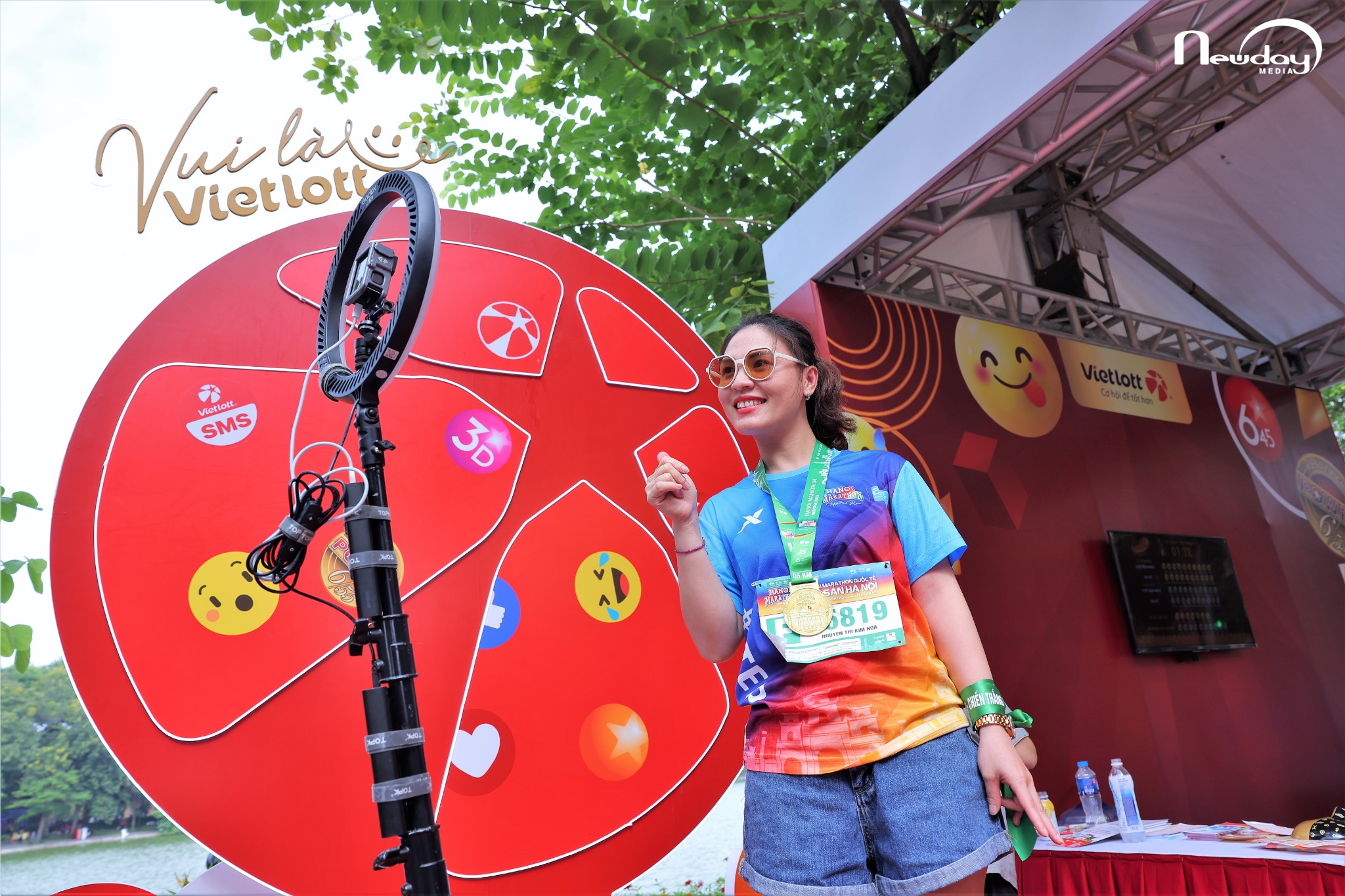
Offline activation is making a strong comeback.
Following the digital marketing boom, many brands are reinvesting in it. Experiential marketing and direct activation.
Summer is the ideal time to implement it:
- Booth activation at the shopping mall
- Sampling at the music event
- Pop-up product experience
- Roadshow at tourist destinations
- Outdoor interactive minigame
Today's consumers want to "engage" with a brand rather than just watching advertisements. Therefore, activation activities are playing a crucial role in increasing brand recall and social buzz.
Influencer marketing prioritizes relevance over reach.
The FMCG and F&B industries still utilize KOLs and creators as a crucial part of their summer campaigns. However, the selection criteria are changing significantly.
Instead of focusing solely on big celebrities, many brands are shifting to:
- Micro-influencers have their own communities.
- Local food reviewer
- Travel creator
- Lifestyle creators
- TikTok creators have the ability to create trends.
This approach helps brands build a sense of closeness and increase trust with young consumers.
Gamification and UGC become tools for increasing engagement.
Many current summer campaigns incorporate User-generated content (UGC) to expand natural coverage.
Common forms include:
- Challenge hashtag on TikTok
- Check-in photo contest
- Video reaction to the product
- Instagram story template
- Earn points and redeem rewards online.
Gamification empowers users to actively participate in campaigns, while also generating a significant amount of organic content for brands.
AI and personalization are starting to become more prominent.
A new trend in summer marketing 2026 is the application of AI to campaign experiences.
Brands are experimenting:
- AI filters on social media
- Personalize advertising messages.
- AI visual campaign
- Interactive mini-games using AI.
- Dynamic content based on user behavior.
Personalizing the experience helps increase engagement time and improve conversion rates in digital campaigns.
F&B focuses on speed and shareability.“
For the F&B industry, the "shareability" factor is directly impacting marketing effectiveness.
A typical summer product that goes viral often has:
- Vibrant colors
- Eye-catching packaging
- Seasonal limited concept
- Interesting name
- Social media content creation capabilities
Many F&B brands now develop products with a social media mindset before implementing mass media marketing.

FMCG companies are stepping up omnichannel marketing.
Consumers are now constantly switching between online and offline channels during the purchasing process. Therefore, FMCG brands are investing heavily in this area. omnichannel marketing.
An effective summer campaign typically combines:
- Social media
- Ecommerce
- Retail display
- Offline activation
- Livestream merchant
- CRM and loyalty
Synchronizing touchpoints helps increase brand recall and optimize sales during peak seasons.
Conclude
Summer marketing in the FMCG and F&B industries is shifting from mass media to multi-touch experiences, entertainment content, and community interaction.
In a context where consumers are increasingly difficult to attract through traditional advertising, brands need to build campaigns that are emotionally engaging, easily shareable, and aligned with digital platform behavior.
Summer is no longer a race for media budgets. It's a competition of the ability to create memorable experiences and genuinely connect with consumers.


Your comment