
Organizing conferences and seminars is a familiar concept for organizations and businesses. Every year, these events are held to build networks, connect with others, and showcase strategies, visions, and brands. Let's explore some tips and guidelines for organizing a professional and highly successful seminar.
Index
Organize a workshop
What is a seminar? What is its significance?
A conference or seminar is an annual event where many people network and socialize to maintain connections and relationships. Conferences are often organized by businesses, organizations, or even individuals with their own communities. The main activities in a conference include discussions, dialogues, opinion polls, and knowledge sharing.
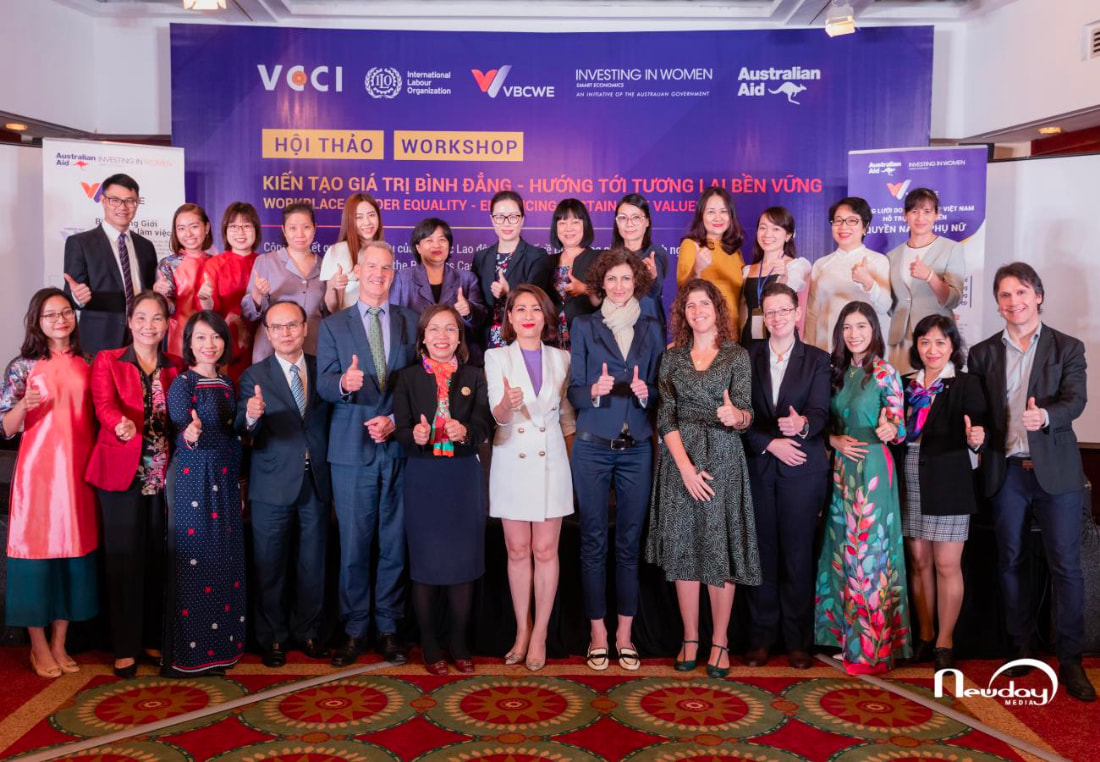
Organizing seminars and conferences offers many benefits and advantages for both organizers and participants:
- Sharing information and knowledge: Conference events facilitate the sharing of information, knowledge, and experience among experts, speakers, and participants. This helps everyone stay up-to-date on the latest developments in their field.
- Networking and relationship building: The workshop provides a great opportunity for people to meet, exchange ideas, and build professional relationships. These relationships can increase opportunities for future collaboration.
- Creating business opportunities: Conference events are often a place for businesses to promote their products and services. At the same time, they also create opportunities to conduct business deals and find new partners.
- Training and personal development: Workshops typically provide training and learning opportunities to help participants develop their personal and professional skills.
- Enhance reputation and prestige: For organizers, hosting a successful conference can help enhance their credibility and reputation within the industry community.
- Fostering creativity: Conference events are often venues for sharing new ideas, stimulating creativity, and encouraging innovation in a specific field.
- Promoting research and development: Conference events can be a place to introduce and discuss new research, and to stimulate development in the field of research and science.
In summary, organizing conferences and seminars not only provides learning opportunities but also creates an environment for interaction and collaboration among individuals and organizations within the professional community.
Types of conference organization
Currently, there are many forms of organizing seminars that offer diverse experiences for participants, reflecting technological trends and advancements. Below are some common forms:
- Specialized Workshops: A thematic workshop is an event focused on a specific topic or field, providing participants with the opportunity to gain detailed knowledge and share experiences. Thematic workshops are typically designed for small to medium-sized groups, ranging from a few dozen to several hundred people.
- Research Conferences: This will focus on presenting and discussing new research, research findings, and trends in a specific field. The format of this type of conference event will vary, with no limit on the number of attendees, ranging from a few hundred to several thousand people, depending on the event's scale.
- Workshop (Practical): Workshops provide hands-on experience and practice on specific skills or topics, often including group activities and detailed discussions, for small groups ranging from a few dozen to a few hundred people, depending on the nature of the workshop.
- Panel Discussions: This takes place during a discussion session with a panel of speakers or experts. It may include dialogues and direct questions from the audience. This format is commonly held at large events, which can have hundreds or thousands of participants.
- Hands-On Workshop: It requires active participation from attendees in hands-on activities, helping them apply their knowledge to real-world situations. Due to its interactive nature, the event is limited to a few dozen people, ranging from small to very small in scale.
- Dialogue Workshops: It is a space for in-depth discussion and building effective communication among participants, suitable for small groups, from a few dozen to a few hundred people.
Professional seminar organization process for organizations and businesses.
To ensure the success of a conference or seminar, we need to identify several key factors, such as:
– Who is the target audience for this workshop?
– Where and when will the seminar be held?
– Number of attendees
– Costs for organizing the workshop
– …
To better understand the process of organizing a seminar, let's delve into the steps involved in planning a conference or seminar event.
Define the objectives, theme, and content of the workshop.
The first and most important step in starting an event is defining the goals, theme, and content of the workshop. Professional workshop and conference management requires a clear understanding of the event's purpose and target audience.
Defining your goals helps you understand what you want to achieve from the event – whether it's increasing brand awareness, connecting with the community, or promoting your product/service. Then, choose a theme that aligns with those goals, ensuring it's relevant and engaging for your target audience.
The content of the seminar is the heart of the event, and effective seminar management requires thorough preparation, which is key to building a quality script that delivers the highest value to participants.
Planning and scripting
A complete event plan for a conference or seminar would include the following:
– Define the purpose and objectives of the workshop.
– What was the main topic of the workshop?
– Where and when will the seminar be held?
– Who is on the guest list? How many people are there?
– Determine the estimated budget for organizing the workshop.
– The unit responsible for organizing conferences and seminars
– Program and activities of the workshop
Based on the above points, you can immediately begin building the script and creating a preliminary plan. Remember to clearly state the main points, highlights, and the pace and flow of the workshop.
Please refer to this professional script template: (Please attach the link to the article: “Sample Script for a Seminar Program”)
Develop a contingency plan.
In addition to the main plan, organizers need to develop a contingency plan to prepare for all unforeseen circumstances, including unforeseen incidents, technical failures, bad weather, security and medical issues, or unexpected schedule changes. Developing a contingency plan not only helps address unforeseen challenges but also enhances the organization's flexibility and responsiveness.
Organizational budget planning
Alongside the established plans, determining the budget is a crucial step in ensuring the event runs smoothly and efficiently. This not only helps you accurately estimate costs but also assists in selecting services and amenities that are appropriate for the scale and specific requirements of the workshop.
Defining your budget provides an opportunity to assess costs and allocate funds effectively. You can base your investment decisions on the event's goals and requirements, from venue selection and sound and lighting equipment to promotion and event management. A clear budget helps you make confident decisions, avoid waste, and optimize the value of each expenditure.
Furthermore, defining your budget early helps you avoid the risks of unnecessary expenses during the organization process. You can choose services with clear and precise costs, while maintaining flexibility in case of budget changes or adjustments. In this way, the workshop will not only be a professional event but also ensure financial sustainability.
Choosing a venue for the conference
The venue will be chosen based on factors such as the event's scale and the expected number of guests. For events with fewer than 300 people, indoor venues like event centers or hotels can be suitable. Events with 300-1000 people may consider outdoor spaces. The venue selection also needs careful consideration of external factors such as weather and season. For example, if a conference is held during the rainy season, a contingency plan is needed to ensure a venue that is easily accessible and offers protection from rain, preventing the event from being canceled due to adverse weather conditions.
Preparations
This crucial step in organizing a conference not only creates a strong impression but also shapes a professional and courteous atmosphere. To ensure your event makes a great impression on your guests, prepare thoroughly with the following elements:
- Create a luxurious and elegant setting that accurately reflects the content and honors the values of the seminar.
- Decorate with necessary items to ensure that the venue is fully decorated, from the registration board to the reception area, to create a professional and friendly atmosphere.
- Ensure that all necessary audio and lighting equipment is in place to ensure the workshop runs smoothly without any technical issues.
- Hang welcome banners at the reception area to greet guests. Banners and backdrops should showcase the company's theme and brand identity, enhancing visual appeal.
- Prepare all relevant materials related to the seminar content, as well as video recordings introducing and advertising the company's products so that guests can review them later and learn more.
- Organize the product display space to give businesses the best opportunity to interact and trade with guests.
- Sending out formal invitations to guests creates a positive first impression and conveys a sincere message of care and consideration.
Proceed with the program.
Throughout the program, you need to monitor and ensure that each part is on schedule and on time. At the same time, all assigned personnel must be ready in their assigned positions, handling and controlling their assigned tasks effectively.
There is always a need for staff to support the speakers and attendees.
For events that include a trade or product display area, ensure that this space is tightly managed and facilitates interaction.
Ensure security and safety throughout the event. Always be prepared to deal with any unforeseen issues or incidents quickly and professionally. Provide assistance to guests when needed.
The program execution phase is a critical period for the success of a conference event and requires careful focus and management from the organizers.
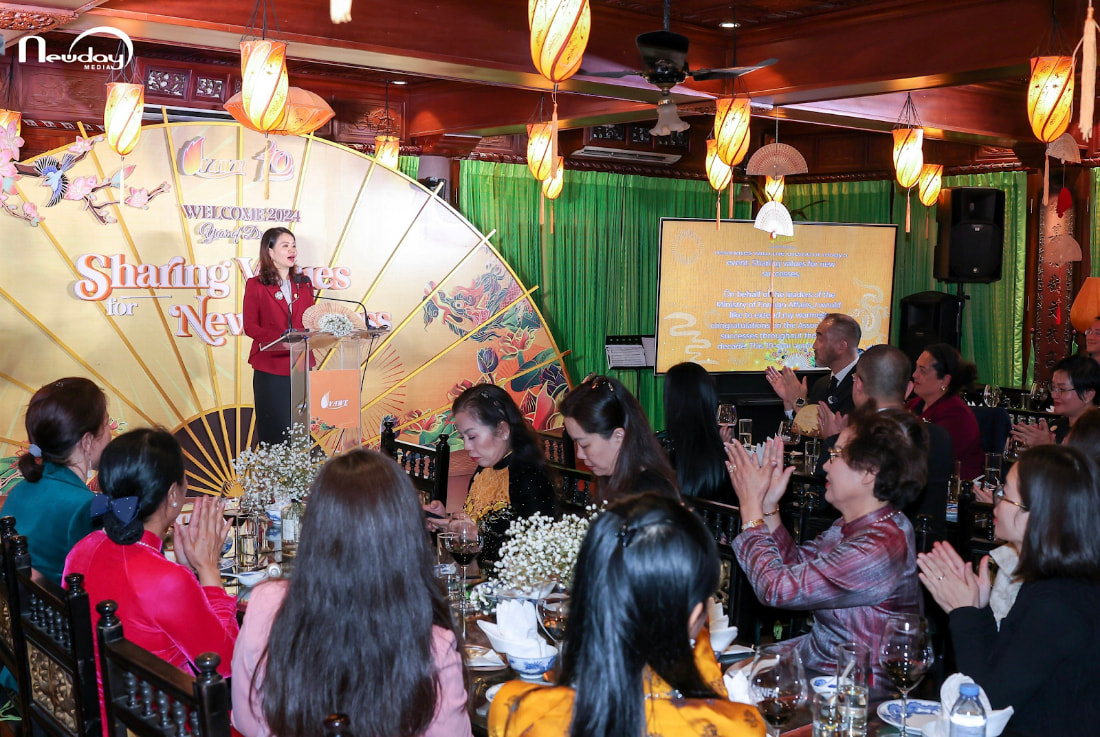
Party at the event
For conference events, light refreshments are the optimal solution due to their flexibility, high applicability, suitability for any space, and ease of storage and use. Light refreshments for events tend to be light yet sophisticated, elegant, and refined, with great attention paid to both decoration and service.

Event communication
To make an event engaging and memorable for the community, post-event communication is essential. Develop a pre-event communication campaign plan to ensure your message is conveyed powerfully and effectively. Here are some effective promotional methods you can consider:
- Online event page (website)
- Social media platforms (Facebook, X, LinkedIn, etc.)
- Email Marketing Campaign
- Direct advertising is recommended if the event has a commercial element.
- Video Series or Podcast
- Attracting media coverage and articles.
Organizing a comprehensive communication campaign helps optimize the effectiveness of the conference event and attract diverse participation from the community.
Some things to keep in mind when organizing a seminar.
For any seminar or conference, it's essential to develop a theme and concept. A clearly defined theme effectively conveys the core message and purpose of the event. This helps attendees clearly understand the value and benefits they will receive from participating.
To increase credibility and community interest in the event, the workshop can invite prominent guest speakers in fields relevant to the workshop's theme. Prepare a list of questions and a script specifically for the guest expert to ensure smooth collaboration among all participants.
The seminar is also an opportunity to strengthen relationships and find more potential customers. Therefore, don't forget to collect the contact information of the attendees so you can follow up after the event.
Choosing the right event and conference organizer is crucial because if you lack experience in event planning, the conference you organize may not achieve the desired effectiveness and results.
NEWDAY MEDIA – PROVIDING PROFESSIONAL AND EFFECTIVE EVENT ORGANIZATION SOLUTIONS
With nearly 15 years of experience, over 1000 successful events, and more than 500 large and small partners both domestically and internationally, Newday Media proudly stands as a leading provider of event organizing services in Vietnam.
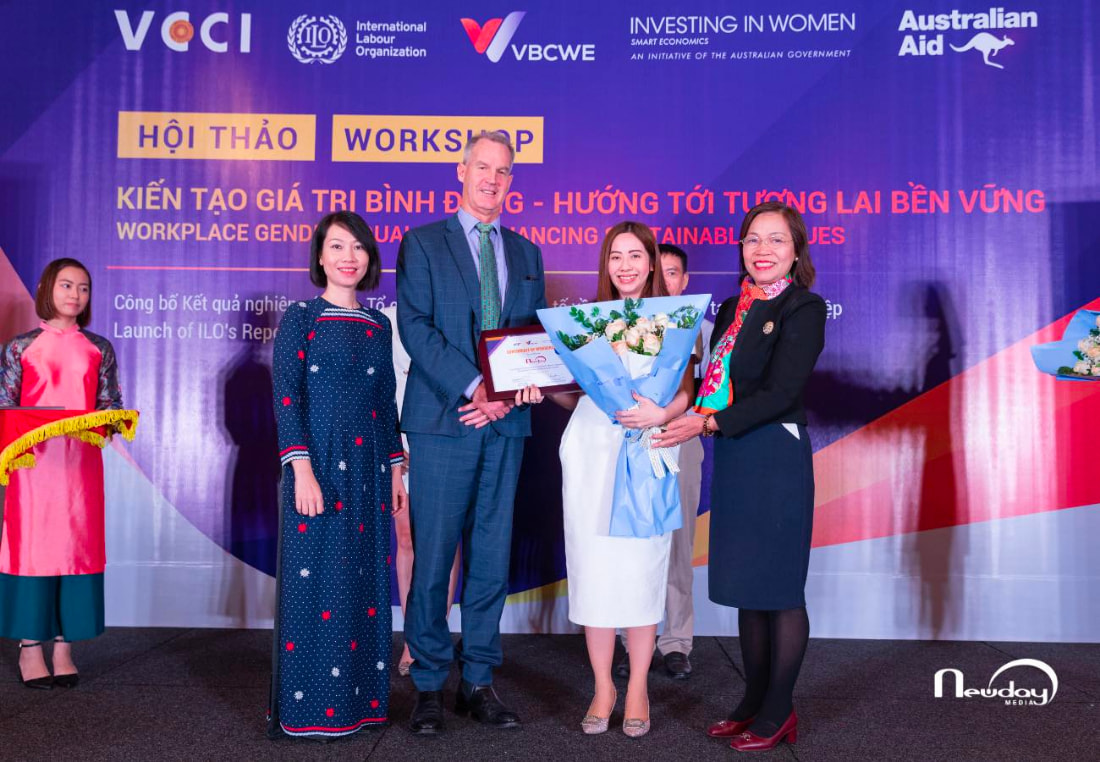
With exceptional creativity and relentless effort, Newday Media consistently helps clients leave a distinctive mark on all types of events:
- Corporate events; trade events; cultural and community events; personal events…
- Modern display technologies: Visual / Hologram / 3D Mapping / AR / LED, enhancing the visual and emotional experience…
- Creative ideas, unique event content, tailored to the specific needs of each organization and client.
For more detailed advice on Event Organizing Services Dear partners/customers, please contact us. Newday Media by phone number: 0904.033.333/ 0904.033.333 or leave your information HERE.
Related articles:




Your comment