
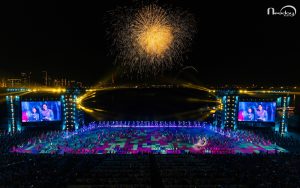
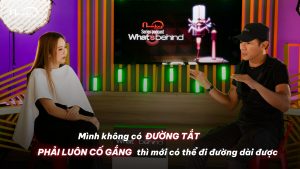
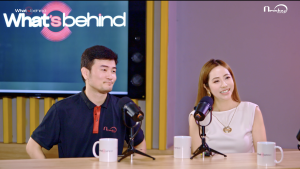
Tổ chức một sự kiện văn hoá có chiều sâu không thể thiếu yếu tố lịch sử. Đó không chỉ là chất liệu gợi cảm xúc mà còn là nền móng để khơi dậy lòng tự hào, sự biết ơn và trách nhiệm của thế hệ hôm nay đối với quá khứ. Tuy nhiên, để lịch sử phát huy được giá trị trong sự kiện, việc tái hiện phải đặt trên nền tảng của sự hiểu đúng, làm đúng và kể lại bằng tâm thế tôn trọng. Cùng lắng nghe những chia sẻ về việc đưa yếu tố lịch sử vào vở đại nhạc kịch Chuyến Tàu Huyền Thoại 2024 từ Tổng đạo diễn Lê Hải Yến, qua chuỗi podcast What’s Behind của Newday Media.

Tính nghệ thuật và câu chuyện lịch sử thực tế chính là màn “cân não” đầy khó khăn cho ekip
Index
Lồng ghép yếu tố lịch sử trước tiên cần làm đúng
Làm lịch sử trong sự kiện không đơn thuần là tạo dựng không gian hoài niệm hay kể lại những mốc thời gian nổi bật một cách giáo điều. Điều cốt lõi là phải làm đúng – cả về dữ kiện lẫn tinh thần. Tái hiện lịch sử không phải là sân chơi tưởng tượng, mà là quá trình khắt khe đòi hỏi ekip phải có trách nhiệm đối chiếu tài liệu, khảo sát thực tế và quan trọng nhất là lắng nghe và học hỏi từ những nhân chứng lịch sử.
Đây là lý do vì sao những sự kiện văn hoá muốn chạm vào chiều sâu cảm xúc khán giả, đặc biệt là người trẻ, cần dựa vào tư liệu xác thực, tôn trọng nhân chứng sống và truyền tải lịch sử bằng hình thức sáng tạo nhưng không bóp méo sự thật. Lịch sử không được lãng mạn hoá một cách tuỳ tiện, càng không thể trở thành công cụ phô diễn bề nổi mà không phản ánh đúng bản chất của một thời kỳ.
Hành trình đi dọc chiều dài lịch sử: Câu chuyện từ ekip Lễ hội Sông nước
Để đưa yếu tố lịch sử vào sự kiện văn hoá một cách chính xác và có hồn, ekip thực hiện Lễ hội Sông nước TP. HCM dành thời gian dài khảo sát thực tế dọc theo chiều dài lịch sử, từ rừng Sác cho đến công xưởng Ba Son – những địa danh lịch sử nổi tiếng tại TP. HCM. Không chỉ dừng lại ở nghiên cứu tài liệu, ekip đã trực tiếp tiếp dành thời gian trò chuyện với những người cựu chiến binh từng tham gia chiến đấu tại vùng rừng ngập mặn năm xưa.
Tổng đạo diễn Hải Yến chia sẻ: “Mình từng tưởng tượng hơi lãng mạn và phi thực tế về chiến tranh. Đọc sách như ‘Một thời rừng Sác’ hay ‘Những lá thư thời chiến’, mình từng hình dung cảnh người lính viết thư về cho vợ. Nhưng khi tiếp xúc với các bác cựu đặc công, họ đã chia sẻ rằng, những người đặc công không có thời gian và điều kiện để viết thư. Trong lúc vừa đối mặt với giặc Mỹ, vừa đối đầu với cá sấu, trong điều kiện thiếu thốn, hiểm nguy – không ai nghĩ đến cảm xúc riêng tư lúc đó cả”.

Chính trải nghiệm ấy đã khiến đạo diễn và ekip phải đấu tranh tư tưởng giữa yếu tố nghệ thuật và tính chân thực lịch sử. Kết quả là trên sân khấu vẫn có cảnh người lính viết thư – như một điểm tựa cảm xúc – nhưng được đặt cạnh những hình ảnh thực tế khốc liệt để tạo nên sự tương phản mạnh mẽ, giúp khán giả hiểu rằng mọi cảm xúc riêng tư đều bị thử thách dữ dội trong hoàn cảnh chiến tranh.

Khi sân khấu hoá làm dịu đi sự tàn khốc – nhưng không làm mất đi sự thật lịch sử
Một điểm đặc biệt của nghệ thuật sân khấu là khả năng chuyển hoá nỗi đau và hiện thực khắc nghiệt thành hình ảnh gợi mở, giàu cảm xúc mà không quá khô khan hay bi lụy.
Việc sân khấu hoá lịch sử theo cách này không hề làm giảm đi tính nghiêm túc hay giá trị cốt lõi. Ngược lại, nó khiến người xem – đặc biệt là giới trẻ – cảm thấy lịch sử gần hơn, dễ tiếp cận hơn, và vì thế mà dễ khắc sâu hơn. Nhờ đó, những giá trị như lòng biết ơn, niềm tự hào dân tộc và sự tôn trọng quá khứ được khơi dậy một cách tự nhiên, không áp đặt.

Phân cảnh Bác Hồ ra đi tìm đường cứu nước được sân khấu hoá đầy xúc động
Nghe thêm những câu chuyện hậu trường trong podcast What’s Behind
Để hiểu rõ hơn quá trình đầy cảm xúc này, bạn có thể nghe tập podcast What’s Behind với sự tham gia trực tiếp của Tổng đạo diễn Hải Yến. Tập podcast chia sẻ về những chi tiết đắt giá, những cuộc gặp gỡ đáng nhớ, và cả quá trình sáng tạo giữa những điều có thật và cảm xúc cần được kể. Podcast độc đáo này hiện đã có mặt trên kênh YouTube và Spotify.
Lịch sử cần được kể lại bằng sự tôn trọng và sáng tạo
Khi tổ chức sự kiện văn hoá, việc lồng ghép lịch sử không phải để trang trí mà để chạm tới phần sâu thẳm trong mỗi con người. Đó là trách nhiệm của người làm nghề: vừa giữ đúng tinh thần lịch sử, vừa dẫn dắt cảm xúc khán giả bằng ngôn ngữ nghệ thuật tinh tế.
Muốn người trẻ biết ơn, hãy để họ trải nghiệm. Muốn khán giả nhớ mãi, hãy kể lại quá khứ bằng cảm xúc thật và hình thức đủ sáng tạo. Khi ấy, lịch sử sẽ không chỉ là điều đã qua, mà là chất liệu sống trong hiện tại, tiếp thêm niềm tin và cảm hứng cho tương lai.


Your comment