
Kế hoạch tổ chức sự kiện ra mắt sản phẩm là khâu chuẩn bị quan trọng quyết định sự thành công của chương trình. Nắm vững 15 bước lập kế hoạch chi tiết và kỹ lưỡng trong bài viết dưới đây, từ việc xác định mục tiêu, đối tượng tham gia, thời gian, địa điểm, chủ đề, kịch bản chương trình, ngân sách,… đến truyền thông, quảng cáo, đánh giá và đo lường kết quả.
👉 Có thể bạn quan tâm:
- Cách viết thông cáo báo chí sự kiện ra mắt sản phẩm chuẩn xác
- Mẫu thư mời tham dự sự kiện ra mắt sản phẩm ấn tượng
Index
Tại sao doanh nghiệp cần kế hoạch tổ chức sự kiện ra mắt sản phẩm?
Kế hoạch là sự chuẩn bị, sắp xếp các bước thực hiện công việc một cách có hệ thống và khoa học, để việc triển khai dễ dàng và hạn chế rủi ro. Khi lập kế hoạch, chúng ta cần xác định mục tiêu, nội dung, thời gian, địa điểm, phương pháp, nguồn lực,… cần thiết để thực hiện công việc. Việc lập kế hoạch tổ chức sự kiện ra mắt sản phẩm chi tiết giúp doanh nghiệp:
- Xác định mục tiêu rõ ràng để lựa chọn phương pháp và nguồn lực phù hợp.
- Xác định các bước cần thực hiện, giúp việc triển khai công việc khoa học và hiệu quả.
- Lập dự trù thời gian và chi phí, nhằm kiểm soát tiến độ và tiết kiệm chi phí.
- Xác định các rủi ro có thể xảy ra để chủ động ứng phó.
Một kế hoạch tổ chức sự kiện ra mắt sản phẩm cần đảm bảo:
- Mục tiêu cần rõ ràng, cụ thể, đo lường được, có thể đạt được và có thời hạn thực hiện.
- Nội dung kế hoạch đầy đủ, chi tiết, bao gồm các bước thực hiện, thời gian, địa điểm, phương pháp, nguồn lực,… cần thiết.
- Kế hoạch cần được thực theo sát và thường xuyên cập nhật, điều chỉnh cho phù hợp với tình hình thực tế.

15 bước lập kế hoạch tổ chức sự kiện ra mắt sản phẩm từ A-Z
Xác định mục tiêu của sự kiện ra mắt sản phẩm
Trước khi “bắt tay” lên kế hoạch chi tiết cho sự kiện ra mắt sản phẩm, tổ chức, doanh nghiệp cần xác định rõ ràng mục tiêu của sự kiện để đưa ra những hoạt động, công việc phù hợp, bám sát với mong muốn ban đầu.
Nếu không có mục tiêu rõ ràng sẽ rất khó để xác định các hạng mục công việc cần thiết, dẫn đến không tối ưu về mặt thời gian cũng như chi phí. Ví dụ, khi tổ chức sự kiện ra mắt sản phẩm, doanh nghiệp mong muốn sản phẩm của mình được nhiều người biết đến và quan tâm. Do đó, trong quá trình lên kế hoạch tổ chức sự kiện, doanh nghiệp cần đặc biệt chú trọng đến việc truyền tải thông tin về sản phẩm đến khách hàng và công chúng.
Xác định đối tượng tham gia sự kiện ra mắt sản phẩm
Doanh nghiệp cần xác định rõ đối tượng mục tiêu của sự kiện là ai, họ có những đặc điểm gì, họ đang quan tâm đến những thông tin gì. Điều này sẽ giúp doanh nghiệp lựa chọn kênh truyền thông và nội dung phù hợp.
Xác định thời gian, địa điểm tổ chức sự kiện ra mắt
Khi xác định địa điểm tổ chức sự kiện, doanh nghiệp cần cân nhắc các yếu tố sau:
- Khả năng tiếp cận của khách mời: Địa điểm tổ chức sự kiện cần thuận tiện cho khách mời tham dự, chẳng hạn như gần khu vực sinh sống hoặc làm việc của khách mời.
- Kích thước và thiết kế của địa điểm: Địa điểm tổ chức sự kiện cần đủ rộng để đáp ứng số lượng khách mời tham dự, đồng thời có thiết kế phù hợp với chủ đề và nội dung của sự kiện.
- Các tiện ích và dịch vụ tại địa điểm: Địa điểm tổ chức sự kiện cần có đầy đủ các tiện ích và dịch vụ cần thiết cho sự kiện, chẳng hạn như hệ thống âm thanh, ánh sáng, internet,…
Thời gian:
- Cuối tuần: Đây là thời điểm mà khách hàng mục tiêu có nhiều thời gian rảnh rỗi, do đó doanh nghiệp có thể thu hút được nhiều khách mời tham dự.
- Các dịp lễ, tết: Đây là thời điểm mà mọi người có xu hướng mua sắm nhiều hơn, do đó doanh nghiệp có thể tận dụng cơ hội này để giới thiệu sản phẩm mới đến khách hàng.
Địa điểm:
- Trung tâm hội nghị, hội thảo: Đây là địa điểm lý tưởng để tổ chức các sự kiện lớn, với đầy đủ các tiện ích và dịch vụ cần thiết.
- Nhà hàng, khách sạn: Đây là địa điểm sang trọng và lịch sự, phù hợp để tổ chức các sự kiện dành cho khách hàng VIP.
- Không gian ngoài trời: Đây là địa điểm độc đáo và ấn tượng, phù hợp để tổ chức các sự kiện mang tính sáng tạo và trẻ trung.
Xác định chủ đề chính của sự kiện
Chủ đề chính của sự kiện ra mắt sản phẩm là yếu tố quan trọng quyết định đến thành công của sự kiện. Chủ đề chính cần thể hiện được thông điệp mà doanh nghiệp muốn truyền tải đến khách hàng, đồng thời tạo được ấn tượng tốt đẹp và thu hút sự chú ý của khách mời.
Dưới đây là một số gợi ý về chủ đề chính của sự kiện ra mắt sản phẩm:
- Lợi ích của sản phẩm: Đây là chủ đề phổ biến nhất, được nhiều doanh nghiệp lựa chọn. Chủ đề này giúp doanh nghiệp nhấn mạnh những lợi ích mà sản phẩm mang lại cho khách hàng.
- Tính năng của sản phẩm: Chủ đề này phù hợp để giới thiệu những tính năng nổi bật của sản phẩm.
- Công nghệ mới: Chủ đề này phù hợp để giới thiệu những sản phẩm ứng dụng công nghệ mới.
- Sự kiện đặc biệt: Chủ đề này phù hợp để tổ chức các sự kiện ra mắt sản phẩm vào các dịp lễ, tết.
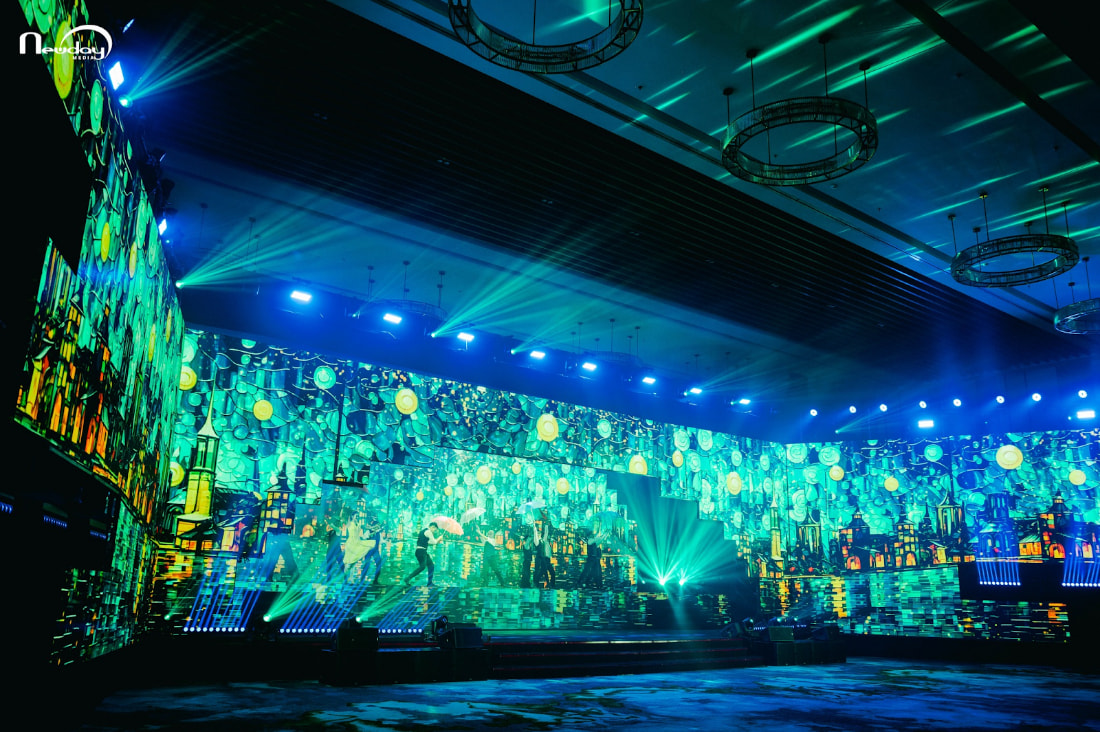
Xây dựng kịch bản chương trình chi tiết
Kịch bản chương trình chi tiết cho sự kiện ra mắt sản phẩm mới sẽ giúp doanh nghiệp tổ chức sự kiện một cách chuyên nghiệp và hiệu quả. Kịch bản chương trình cần được xây dựng dựa trên các yếu tố đã phân tích ở trên.
Thông thường, sự kiện ra mắt sản phẩm sẽ đi theo kịch bản như sau:
| KỊCH BẢN SỰ KIỆN RA MẮT SẢN PHẨM | |||
| STT | Time | Category | Chi tiết |
| 1 | 13:00 – 14:00 | Đón Tiếp Khách Mời | 13:00 – Mở cửa đón khách
13:15 – Khách mời nhận thiệp mời và thẻ dự sự kiện 13:30 – Mở buổi tiệc, khách mời thưởng thức cà phê chào đón |
| 2 | 14:00 – 14:30 | Khai mạc sản phẩm mới | 14:00 – Lời chào mừng từ MC
14:05 – Giới thiệu về lịch sử và triết lý sản phẩm mới 14:15 – Giới thiệu những người đại diện tham gia 14:20 – Phát biểu từ đại diện của công ty |
| 3 | 14:30 – 16:00 | Trải nghiệm sản phẩm mới | 14:30 – Khách mời tham quan gian hàng trưng bày sản phẩm mới
15:00 – Hướng dẫn cách sử dụng sản phẩm (nếu có) 15:30 – Phiên thảo luận, hỏi đáp về sản phẩm |
| 4 | 16:00 – 17:00 | Giao lưu kết hợp trò chơi tương tác | 16:00 – Mở buổi networking, thúc đẩy kết nối giữa khách mời
16:30 – Trò chơi tương tác với các phần quà là voucher giảm giá khi mua sản phẩm 17:00 – Kết thúc chương trình, giao lưu cuối cùng và chúc mừng |
Lập ngân sách cho sự kiện
Ngân sách càng chi tiết sẽ giúp tối ưu chi phí sản xuất, tổ chức, đồng thời giúp doanh nghiệp kiểm soát sự kiện tốt hơn.
Tùy vào mục tiêu, ngân sách dự kiện cho sự kiện có thể bao gồm rất nhiều các hạng mục khác nhau nhưng thông thường để tổ chức một sự kiện ra mắt sản phẩm mới, doanh nghiệp cần đáp ứng các hạng mục tối thiểu sau:
- Chi phí thiết kế, in ấn
- Chi phí thuê địa điểm
- Chi phí trang trí
- Chi phí thuê thiết bị (âm thanh, ánh sáng, led)
- Chi phí quảng bá sự kiện
- Chi phí nhân sự
- Chi phí thuê đơn vị tổ chức sự kiện
Chuẩn bị các hạng mục về ánh sáng, kỹ thuật
Dưới đây là một số loại ánh sáng thường được sử dụng trong các sự kiện ra mắt sản phẩm:
- Ánh sáng chính: Đây là loại ánh sáng chính được sử dụng để chiếu sáng toàn bộ không gian tổ chức sự kiện.
- Ánh sáng điểm: Đây là loại ánh sáng được sử dụng để chiếu sáng các khu vực cụ thể, chẳng hạn như sân khấu, khu vực trải nghiệm sản phẩm,…
- Ánh sáng màu: Đây là loại ánh sáng được sử dụng để tạo ra các hiệu ứng màu sắc cho không gian tổ chức sự kiện.
Doanh nghiệp cần lựa chọn loại ánh sáng phù hợp với mục tiêu và quy mô của sự kiện. Ngoài ra, doanh nghiệp cũng cần thuê đơn vị chuyên nghiệp để thiết kế và thi công hệ thống ánh sáng.
Khi chuẩn bị kỹ thuật cho sự kiện ra mắt sản phẩm, doanh nghiệp cần cân nhắc các yếu tố sau:
- Hệ thống âm thanh: Hệ thống âm thanh cần đảm bảo âm thanh rõ ràng, chất lượng và phù hợp với quy mô của sự kiện.
- Hệ thống màn hình: Hệ thống màn hình cần đủ lớn để khách mời có thể nhìn thấy rõ ràng nội dung được trình chiếu.
- Hệ thống máy chiếu: Hệ thống máy chiếu cần đảm bảo hình ảnh rõ ràng, sắc nét.
- Hệ thống điều khiển: Hệ thống điều khiển cần được thiết kế hợp lý, giúp người điều khiển dễ dàng điều khiển các thiết bị kỹ thuật.
Một số lưu ý khi chuẩn bị ánh sáng và kỹ thuật cho sự kiện ra mắt sản phẩm:
- Ánh sáng và kỹ thuật cần được thiết kế và thi công đồng bộ, đảm bảo sự hài hòa và thống nhất.
- Ánh sáng và kỹ thuật cần được kiểm tra kỹ lưỡng trước khi sự kiện diễn ra để đảm bảo hoạt động ổn định.
- Doanh nghiệp cần có kế hoạch dự phòng trong trường hợp ánh sáng và kỹ thuật gặp sự cố.
Xin giấy phép triển khai
Xin giấy phép triển khai là thủ tục hành chính bắt buộc đối với các tổ chức, cá nhân khi tổ chức sự kiện ra mắt sản phẩm mới. Tùy thuộc vào tính chất và quy mô của sự kiện, doanh nghiệp có thể cần xin giấy phép của các cơ quan chức năng sau:
- Cơ quan quản lý nhà nước về an ninh trật tự: Đối với các sự kiện ra mắt sản phẩm có quy mô lớn, có đông người tham dự,…
- Cơ quan quản lý nhà nước về giao thông vận tải: Đối với các sự kiện ra mắt sản phẩm được tổ chức trên đường phố,…
Hồ sơ xin giấy phép triển khai sự kiện ra mắt sản phẩm bao gồm các giấy tờ sau:
- Đơn xin cấp giấy phép tổ chức sự kiện: Đơn xin cấp giấy phép cần được lập theo mẫu quy định của cơ quan chức năng.
- Bản sao giấy chứng nhận đăng ký kinh doanh của doanh nghiệp: Bản sao giấy chứng nhận đăng ký kinh doanh cần được công chứng hoặc chứng thực.
- Bản sao phương án tổ chức sự kiện: Phương án tổ chức sự kiện cần được lập chi tiết, đầy đủ các nội dung sau:
- Tên sự kiện, thời gian, địa điểm tổ chức sự kiện
- Nội dung, hình thức tổ chức sự kiện
- Số lượng người tham dự
- Phương án đảm bảo an ninh trật tự, an toàn giao thông, phòng cháy chữa cháy,…
Trình tự, thủ tục xin giấy phép triển khai sự kiện ra mắt sản phẩm như sau:
- Doanh nghiệp chuẩn bị hồ sơ xin cấp giấy phép triển khai sự kiện theo quy định.
- Doanh nghiệp nộp hồ sơ xin cấp giấy phép triển khai sự kiện tại cơ quan chức năng có thẩm quyền.
- Cơ quan chức năng tiếp nhận hồ sơ, kiểm tra tính đầy đủ, hợp lệ của hồ sơ.
- Trong thời hạn 10 ngày làm việc, kể từ ngày nhận đủ hồ sơ hợp lệ, cơ quan chức năng có thẩm quyền cấp giấy phép triển khai sự kiện hoặc có văn bản trả lời không cấp giấy phép.
Lựa chọn đơn vị tổ chức sự kiện uy tín
Lựa chọn đơn vị tổ chức sự kiện có chuyên môn, uy tín sẽ giúp doanh nghiệp, thương hiệu:
- Tiết kiệm thời gian và chi phí: Một đơn vị tổ chức sự kiện uy tín sẽ có kinh nghiệm và chuyên môn trong lĩnh vực tổ chức sự kiện, giúp doanh nghiệp tiết kiệm thời gian và chi phí trong quá trình chuẩn bị và tổ chức sự kiện.
- Tổ chức sự kiện thành công vượt mong đợi: Một đơn vị tổ chức sự kiện uy tín sẽ có đội ngũ nhân viên chuyên nghiệp, có kinh nghiệm trong việc tổ chức các sự kiện ra mắt sản phẩm, giúp doanh nghiệp tổ chức sự kiện đột phá, thành công, đạt được mục tiêu đề ra.
Lên checklist chi tiết cho các hạng mục công việc
Checklist cho sự kiện ra mắt sản phẩm cần bao gồm tất cả các hạng mục dự kiến thực hiện trong kế hoạch. Checklist càng chi tiết và dễ hiểu thì khâu tổ chức sẽ dễ dàng hơn rất nhiều.Ngoài ra, checklist cũng cần được cập nhật thường xuyên để đảm bảo phù hợp với tình hình thực tế.
Thiết kế hình ảnh, ấn phẩm cho sự kiện
Một sự kiện ra mắt sản phẩm mới thành công không thể thiếu yếu tốthông điệp, hình ảnh và nghệ thuật, bao gồm:
- Logo và slogan của sự kiện: Logo và slogan của sự kiện cần được thiết kế ấn tượng và dễ nhớ, thể hiện được mục tiêu và thông điệp của sự kiện.
- Poster và banner của sự kiện: Poster và banner của sự kiện cần được thiết kế bắt mắt và thu hút, giúp khách hàng nhận biết về sự kiện.
- Giấy mời sự kiện: Giấy mời sự kiện cần được thiết kế chuyên nghiệp và lịch sự, thể hiện được sự trân trọng của doanh nghiệp đối với khách mời.
- Thiệp cảm ơn: Thiệp cảm ơn cần được thiết kế tinh tế và trang trọng, thể hiện được sự cảm ơn của doanh nghiệp đối với khách mời đã tham dự sự kiện.
- Các ấn phẩm khác: Ngoài ra, doanh nghiệp có thể thiết kế thêm các ấn phẩm khác cho sự kiện, chẳng hạn như standee, backdrop,…
Truyền thông, quảng cáo cho sự kiện
Doanh nghiệp cần lựa chọn các kênh truyền thông, quảng cáo phù hợp với mục tiêu, đối tượng khách hàng mục tiêu và ngân sách của doanh nghiệp. Doanh nghiệp cần xây dựng kế hoạch truyền thông, quảng cáo chi tiết, đảm bảo truyền thông, quảng cáo cho sự kiện ra mắt sản phẩm mới đạt hiệu quả cao.
Việc truyền thông, quảng cáo hiệu quả sẽ giúp doanh nghiệp thu hút sự chú ý của khách hàng và truyền tải thông điệp của sự kiện đến khách hàng một cách hiệu quả, tạo ấn tượng tốt đẹp với khách hàng và đạt được mục tiêu đề ra.
Một số kênh truyền thông, quảng cáo thường được sử dụng cho sự kiện ra mắt sản phẩm mới:
- Mạng xã hội: Mạng xã hội là một kênh truyền thông, quảng cáo hiệu quả và tiết kiệm chi phí, được nhiều doanh nghiệp lựa chọn. Doanh nghiệp có thể sử dụng các nền tảng mạng xã hội phổ biến như Facebook, Instagram, TikTok,… để tạo các bài đăng, video, livestream giới thiệu về sự kiện.
- Email marketing: Email marketing là một cách hiệu quả để tiếp cận khách hàng tiềm năng. Doanh nghiệp có thể sử dụng email marketing để gửi thư mời tham dự sự kiện, giới thiệu về sản phẩm mới,…
- Quảng cáo trên các phương tiện truyền thông đại chúng: Quảng cáo trên các phương tiện truyền thông đại chúng như báo chí, truyền hình, đài phát thanh,… có thể giúp doanh nghiệp tiếp cận được lượng lớn khách hàng tiềm năng. Tuy nhiên, chi phí quảng cáo trên các phương tiện truyền thông đại chúng thường khá cao.
- PR: PR là một hoạt động truyền thông nhằm xây dựng hình ảnh và uy tín của doanh nghiệp. Doanh nghiệp có thể tổ chức họp báo, tham gia các sự kiện truyền thông,… để giới thiệu về sự kiện ra mắt sản phẩm mới.
Phân công, bố trí nhân sự
Các vị trí cần được phân bổ nhân sự rõ ràng, tránh trường hợp công việc chồng chéo giữa các nhân sự, dễ khiến sự kiện bị loạn và khó kiểm soát:
- Ban tổ chức: Ban tổ chức là người chịu trách nhiệm chung cho sự kiện, bao gồm việc lập kế hoạch, phân công nhiệm vụ, giám sát thực hiện, giải quyết các vấn đề phát sinh.
- Trưởng ban: Trưởng ban là người đứng đầu ban tổ chức, chịu trách nhiệm điều hành các hoạt động của ban tổ chức.
- Thành viên ban tổ chức: Thành viên ban tổ chức bao gồm các cá nhân có kinh nghiệm và chuyên môn trong lĩnh vực tổ chức sự kiện, chịu trách nhiệm thực hiện các nhiệm vụ cụ thể theo phân công của trưởng ban.
- Nhân viên hậu cần: Nhân viên hậu cần chịu trách nhiệm chuẩn bị các công tác hậu cần cho sự kiện, bao gồm chuẩn bị địa điểm, trang thiết bị, vật dụng,…
- Nhân viên tiếp tân: Nhân viên tiếp tân chịu trách nhiệm đón tiếp khách mời, hướng dẫn khách mời tham quan sự kiện.
- Nhân viên truyền thông: Nhân viên truyền thông chịu trách nhiệm thực hiện các hoạt động truyền thông, quảng cáo cho sự kiện.
- Nhân viên kỹ thuật: Nhân viên kỹ thuật chịu trách nhiệm lắp đặt và vận hành hệ thống âm thanh, ánh sáng,…
- Nhân viên giải trí: Nhân viên giải trí chịu trách nhiệm tổ chức các hoạt động giải trí, trò chơi,… cho khách mời.
Xây dựng phương án quản trị rủi ro
Một vài rủi ro có thể gặp phải khi tổ chức sự kiện ra mắt sản phẩm mới:
- Rủi ro về thời tiết: Thời tiết có thể ảnh hưởng đến sự tham dự của khách mời, cũng như đến chất lượng của sự kiện.
- Rủi ro về kỹ thuật: Các thiết bị, âm thanh, ánh sáng,… có thể gặp sự cố, ảnh hưởng đến chất lượng của sự kiện.
- Rủi ro về an ninh trật tự: Sự cố an ninh trật tự có thể xảy ra, ảnh hưởng đến an toàn của khách mời và nhân viên tham gia sự kiện.
- Rủi ro về sức khỏe: Khách mời có thể gặp vấn đề về sức khỏe, ảnh hưởng đến trải nghiệm của khách mời.
- Rủi ro về truyền thông: Các thông tin về sự kiện có thể bị sai lệch, ảnh hưởng đến hình ảnh của doanh nghiệp.
Doanh nghiệp cần xây dựng phương án quản trị rủi ro chi tiết, bao gồm các nội dung sau:
- Danh mục rủi ro: Danh mục rủi ro cần liệt kê đầy đủ các rủi ro có thể xảy ra khi tổ chức sự kiện ra mắt sản phẩm mới.
- Xác định mức độ rủi ro: Mức độ rủi ro cần được xác định dựa trên khả năng xảy ra và tác động của rủi ro đối với sự kiện.
- Xây dựng kế hoạch ứng phó: Kế hoạch ứng phó cần được xây dựng cụ thể, chi tiết, đảm bảo doanh nghiệp có thể ứng phó kịp thời và hiệu quả với các rủi ro có thể xảy ra.
Doanh nghiệp cần thường xuyên cập nhật phương án quản trị rủi ro, đảm bảo phương án luôn phù hợp với tình hình thực tế. Việc xây dựng phương án quản trị rủi ro khoa học và hiệu quả sẽ giúp doanh nghiệp tổ chức sự kiện ra mắt sản phẩm mới một cách an toàn và thành công.
Đánh giá và đo lường kết quả sự kiện
Thương hiệu có thể đánh giá mức độ thành công của sự kiện thông qua một số tiêu chí như:
- Số lượng khách mời tham dự: Đây là một trong những chỉ số quan trọng nhất để đánh giá sự thành công của sự kiện.
- Mức độ hài lòng của khách mời: Mức độ hài lòng của khách mời có thể được đánh giá thông qua các khảo sát, phỏng vấn,…
- Sự lan truyền của sự kiện: Sự lan truyền của sự kiện có thể được đánh giá thông qua số lượng lượt chia sẻ, bình luận,… trên mạng xã hội.
- Doanh thu bán hàng: Doanh thu bán hàng từ sản phẩm mới có thể được coi là kết quả trực tiếp của sự kiện ra mắt sản phẩm mới.
Doanh nghiệp cần lựa chọn các chỉ số đánh giá và đo lường kết quả sự kiện phù hợp với mục tiêu của sự kiện. Doanh nghiệp cần thực hiện đánh giá và đo lường kết quả sự kiện một cách nhanh chóng và chính xác, đảm bảo kết quả đánh giá và đo lường phản ánh đúng thực tế.
Việc đánh giá và đo lường kết quả sự kiện một cách khoa học và hiệu quả sẽ giúp doanh nghiệp rút ra kinh nghiệm cho các sự kiện tiếp theo, tổ chức sự kiện ra mắt sản phẩm mới ngày càng thành công hơn.
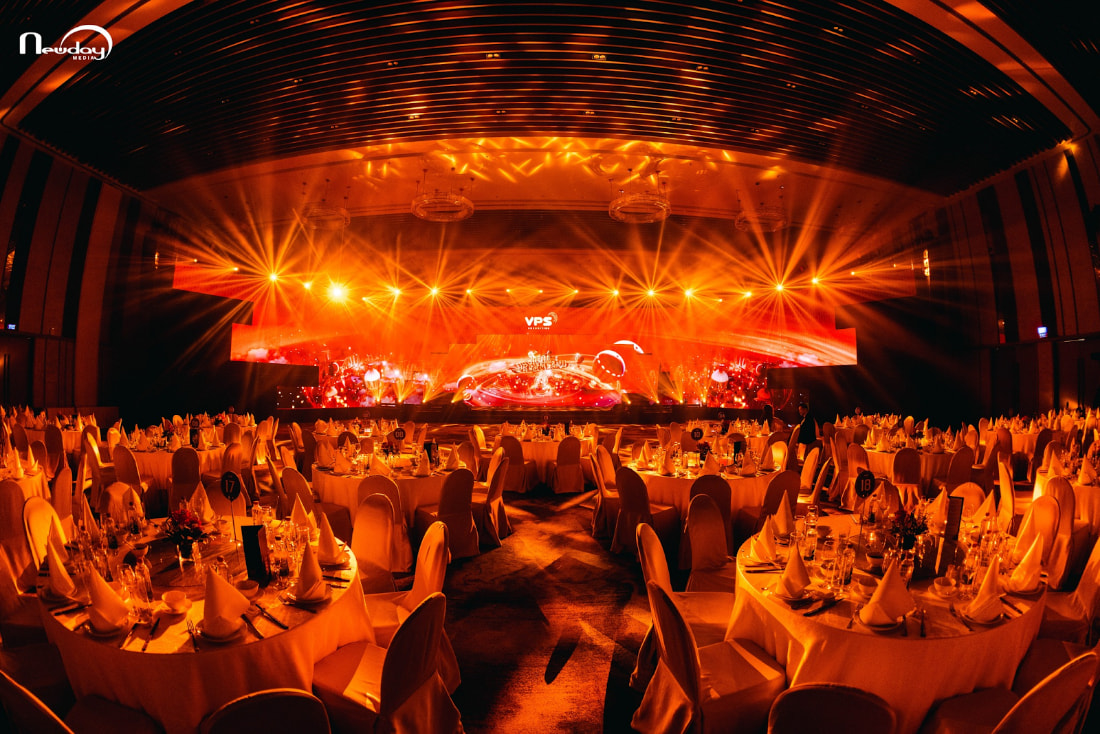
Lập kế hoạch tổ chức sự kiện ra mắt sản phẩm mới chuyên nghiệp với Newday Media
Với gần 15 năm kinh nghiệm trong ngành Truyền thông & Sự kiện, Newday Media với ba lần đạt giải thưởng quốc tế danh giá Stevie Awards tại Mỹ và giải vàng Event Marketing Awards 2023 tại Hong Kong, đã thực hiện hàng trăm sự kiện chuyên nghiệp, đẳng cấp, đạt chuẩn tiêu chuẩn quốc tế.
Chúng tôi cũng đã triển khai rất nhiều những sự kiện ra mắt cho khách hàng trong nhiều lĩnh vực như bất động sản, thức ăn chăn nuôi, phim truyền hình…
Nhờ những nỗ lực không ngừng nghỉ cùng đội ngũ chuyên gia tổ chức sự kiện giàu kinh nghiệm, hiện Newday Media đang là đối tác chiến lược của nhiều doanh nghiệp/tập đoàn lớn: TRAPHACO, Deloitte Vietnam, PVI, Tập đoàn Hoa Sen, C.P Group,…
Để được tư vấn chi tiết hơn về dịch vụ Tổ chức sự kiện quý đối tác/khách hàng vui lòng liên hệ với Newday Media theo số điện thoại: 0904.033.333/ 0962.577.770 hoặc để lại thông tin TẠI ĐÂY.
👉 Bài viết liên quan:





Your comment