
In the context of increasingly fierce brand competition, corporate events play a crucial role in building brand image and connecting with customers. A well-organized program will help convey a clear message while providing a professional experience for attendees.
Together Newday Media Refer to the key steps to organizing a successful corporate event.
Index
Define event objectives and direction.
Before starting any plan, defining objectives is fundamental. Event objectives help shape the concept, scale, program content, and communication strategy.
When the goals are clear, the entire implementation team will have the same direction, and the effectiveness of the program can be easily measured after completion.
Steps to take
- Identify key objectives such as product launches, customer appreciation events, and internal conferences.
- Determine the target audience and the size of the attendees.
- Choose a consistent communication message throughout the event.
- Expected number of potential customers
Brainstorming and developing creative concepts.
The concept is the soul of an event, determining the guest experience and its media reach. A creative idea needs to align with the brand image while evoking emotion and differentiating it from typical events.
Important notes
- Research the industry and brand characteristics before developing a concept.
• Design the overall script, including stage content, interactive activities, and guest experiences.
• Develop an event identity system encompassing key visuals, colors, and design style.
• Consider media elements such as check-in areas, photo zones, and viral content.
Check it out now! 5 creative concept ideas for internal events
Develop a budget and implementation timeline.
Budgets and timelines help control progress and minimize unexpected costs. A detailed financial plan helps businesses optimize costs and allocate resources appropriately to each item.
The necessary content
- Estimate costs for venue, stage, sound and lighting, and staff.
• Create a detailed timeline for each preparation stage.
• Identify key progress milestones
• Prepare contingency plans for unforeseen situations.
Event production and coordination
The implementation phase requires close coordination between departments from production and communications to operations. Professional coordination ensures the program runs smoothly, creating a complete experience for attendees.
Points to pay attention to
- Construct the stage and set up the space according to the approved design.
• Final rehearsal of the program to check content and technical aspects.
• Assign personnel to coordinate guest arrangements, reception, and logistics.
• Control the program timeline throughout the event.
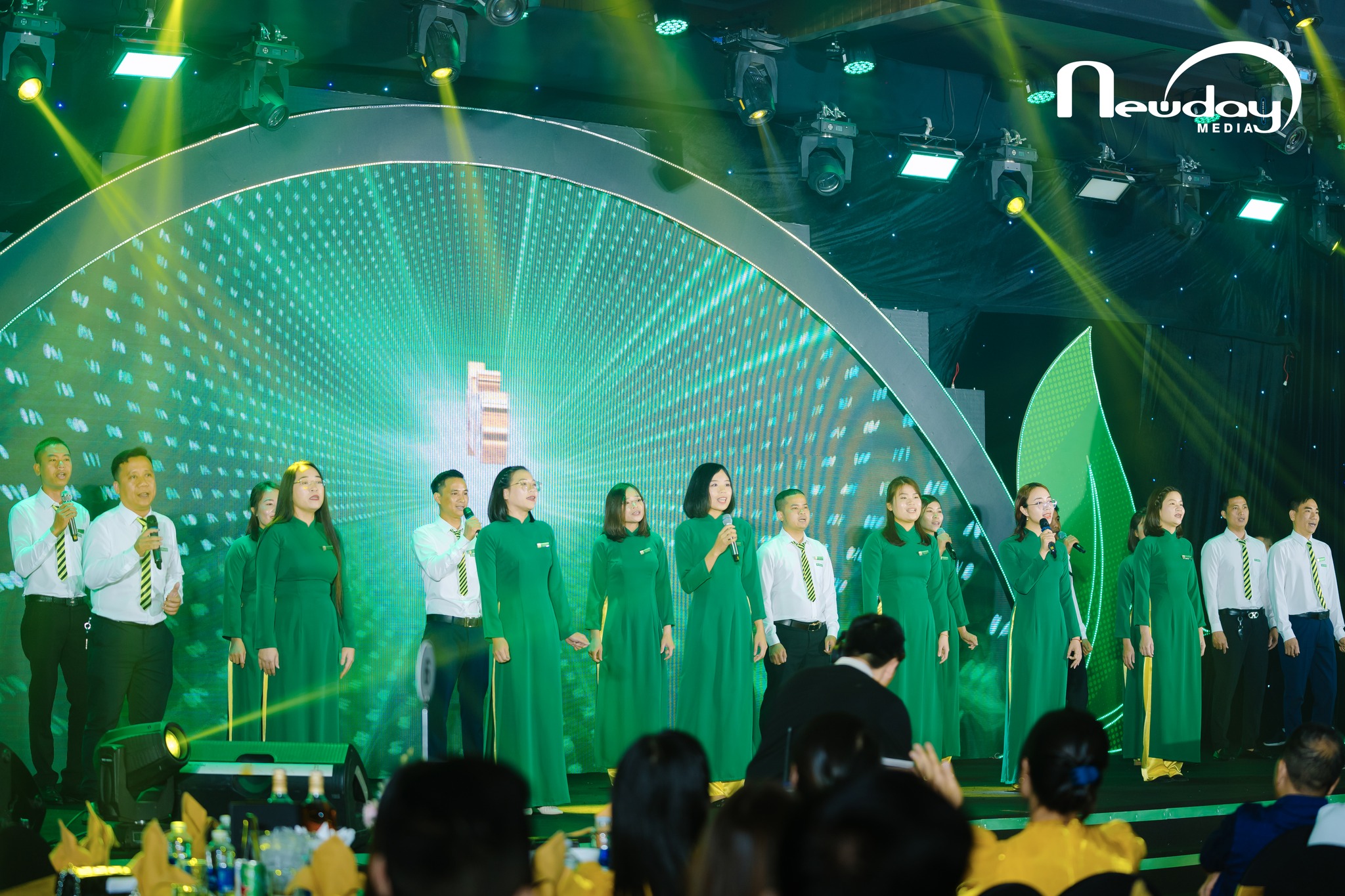
Check out these outstanding corporate events organized by Newday Media:
CP Feed Customer Conference
Grand concert to welcome new students of Dai Nam University
Art performance celebrating the 20th anniversary of Minh Ngoc Production & Trading Co., Ltd.
Communication and post-event performance evaluation
Post-event communication activities contribute to extending brand influence and increasing brand value. Summarizing and evaluating effectiveness helps businesses learn from experience for future programs.
Steps to take
- Produce recap content such as highlight videos and event photo sets.
• Publish promotional articles on the website and social media.
• Gather feedback from guests and partners
• Analyze media data and related business performance.
See also: 5 ways to leverage UGC for effective post-event communication.
Choose a professional event organizer.
A well-structured process requires execution by a team with experience, creative thinking, and strong risk management skills. Collaborating with an event management agency helps businesses save time, optimize budgets, and improve program quality.
If your business is looking for a professional, creative, and highly effective event planning solution, Newday Media is ready to partner with you from the initial idea to the final implementation.
Contact Contact Newday Media today for advice on event concepts that align with your brand goals and long-term development strategy.



Your comment